
Tarpon Springs, FL · Garage Door Service
Garage Doors on Tarpon Springs Homes Built Before Insulation Rules
Most Tarpon Springs houses date to the 1975-2005 build wave, median 1984, with original hardware never meant for Gulf coast humidity. Here's what actually wears out and when.
- Repairs & new doors
- Springs & openers
- Serving 4 nearby communities
The Common Mistake
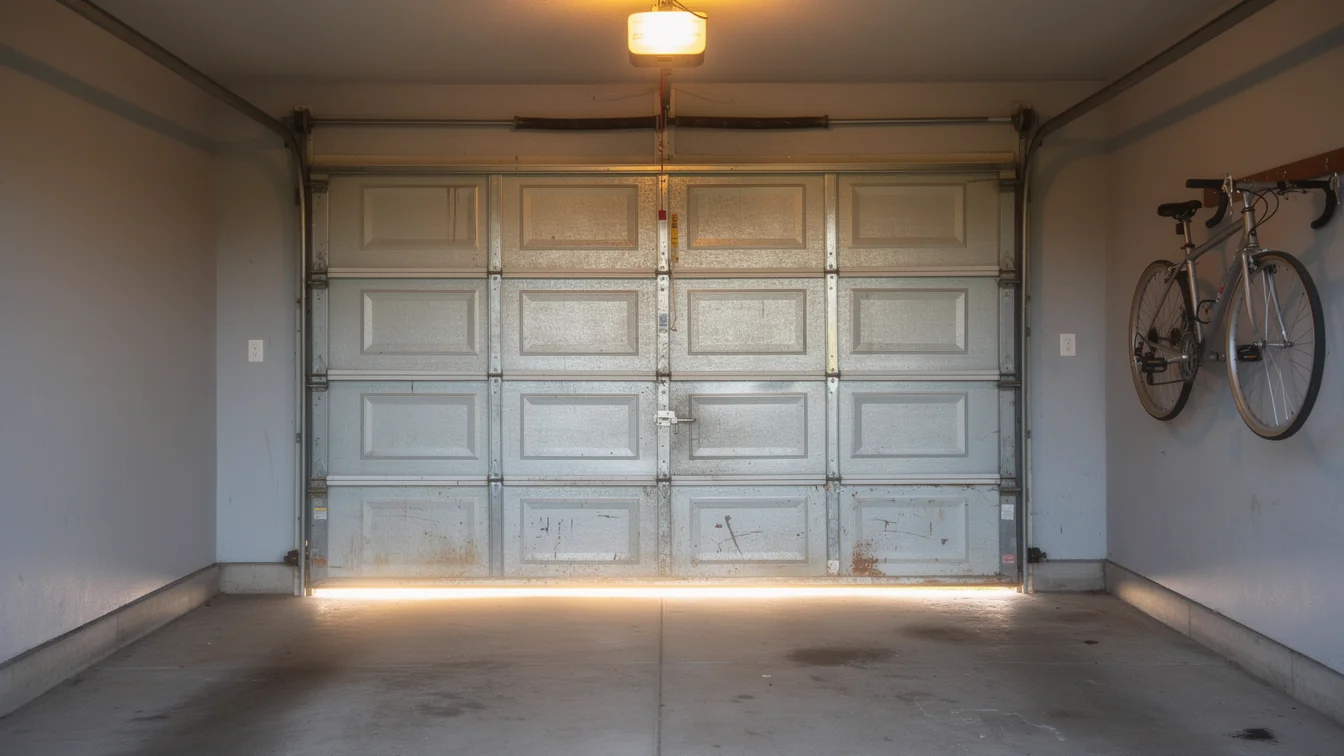
The usual call starts the same way: the opener is grinding, or the door won't close all the way, so the homeowner assumes the opener motor is dying and orders a replacement unit. Most of the time that's the wrong fix. Across this part of Florida, housing went up mostly between 1975 and 2005, with the median build year sitting at 1984. That means a lot of doors on houses built before insulation rules tightened up, running on the torsion spring and track hardware that came with the house forty-plus years ago. The opener isn't failing on its own; it's straining against a spring that lost tension years back, or a track that's bent a few degrees out of true from decades of use. Swap the opener and the door still won't behave right, because the thing doing the actual lifting was never addressed. The mistake costs money twice: once on an opener that didn't need replacing, and again when the spring finally lets go under load. If a door from this era is getting hard to open by hand with the opener disconnected, that's the spring talking, not the motor.
What the Weather Here Does to It
This is a mild temperate climate band, not a freeze-thaw one, so you don't get the cracking and heaving that tears up hardware up north. What you get instead is humidity and salt-tinged Gulf air working steadily on anything galvanized. Tracks, hinges, and roller shafts on original 1980s and 90s hardware pit and corrode from the inside of the coating out, long before they'd fail from cold-weather stress. You'll see white oxidation bloom on bare steel brackets, and rollers that bind not from rust you can see but from fine grit the moisture holds onto inside the track channel. Wood trim around door openings on houses from this era swells slightly with humidity swings rather than splitting from frost, which throws alignment off by a few millimeters, enough to make a door rub at the top corner. None of this is dramatic. It's slow, and that's exactly why it gets ignored until a cable finally snaps or a panel seam corrodes through. A mild climate doesn't mean a maintenance-free one; it just changes what wears first.
The Situation
The stock here, and across the roughly 17 named areas nearby - Beacon Square, Elfers, Trinity, Port Richey, New Port Richey East, Oldsmar, Keystone, Safety Harbor, Jasmine Estates, Westchase, Odessa, Belleair, Belleair Beach, Hudson, Cheval, Feather Sound, and Indian Rocks Beach - skews heavily 1980s and 90s construction. That's a lot of original or first-replacement garage door systems reaching the age where springs, cables, and rollers are due, whether or not anyone's noticed trouble yet. The service area counts 46,314 owner-occupied houses against 83,123 households, and median household income runs $98,279, which puts most owners in a position to choose a proper repair over a patch job, or a full door replacement when the panels themselves are corroded past saving. We see both calls: the straightforward spring swap on a door that's otherwise solid, and the harder conversation where the door itself, not just the hardware, is done. One honest limit - if the panel steel has corroded through at the bottom seam, that's a replacement, not a repair, and we'll tell you that up front rather than patch something that'll fail again in a season.
What Changes With the Season
Without a real winter, the seasonal shift here shows up as a humidity curve, not a temperature one. Spring and early summer bring the thunderstorm pattern that pushes moisture into everything, and that's when you notice doors sticking at the bottom seal or tracks gripping instead of rolling smooth. Weatherstripping on houses from the 1975-2005 build wave was rarely upgraded, so the original vinyl seal has usually hardened and cracked by now, letting humid air and water run straight under the door during heavy rain. Come the drier months, that same seal shrinks back and leaves a gap you can see daylight through. Owners on original hardware tend to notice the pattern every year without connecting it to the seal itself - they just think the door
Frequently asked questions
Why does my garage door stick more in certain months?
On houses from the 1980s and 90s building wave here, the original vinyl bottom seal has usually hardened with age. In the humid stretch of the year it swells and drags against the slab; in drier months it shrinks and leaves a gap. It's rarely the door itself - it's a twenty- or thirty-year-old seal that needs swapping.
Is it worth repairing an original 1980s door instead of replacing it?
Depends on the panels. If the steel is sound and it's a spring, cable, or roller issue, repair is usually the right call and cheaper. If the panel seams have corroded through from years of humid air, patching it doesn't hold, and replacement is the honest answer.
Does the mild climate here mean less garage door maintenance?
Less freeze damage, yes, but not less maintenance. Humidity and salt air corrode galvanized hardware steadily even without hard winters, so tracks, hinges, and rollers on older doors still need regular attention, just for a different reason than cold climates.
Related garage door services in Tarpon Springs
More garage door guides
Book garage door service in Tarpon Springs
Call now or request a quote - tell us what the door is doing and where you are.